By August, team building activities can be exactly what many Sydney teams need. They may not be burnt out in an obvious way; they are simply flat
The start-of-year energy has faded. EOFY has already taken effort out of the business. Winter makes the workday feel heavier. And in New South Wales, August sits inside a long stretch without a statewide public holiday. According to the NSW Government public holidays calendar, NSW workers had the King’s Birthday public holiday on Monday 8 June 2026, then the next statewide public holiday is Labour Day on Monday 5 October 2026.
That makes August a quiet danger zone for workplace energy.
People still attend meetings. Work still gets done. But the team can start to feel slower, more transactional and less connected. Communication becomes shorter. Ideas become safer. Small frustrations last longer. Everyone says they are “fine”, but the mood is not the same.
This is why August is a smart time to plan team building activities in Sydney. Not because the team is broken, but because people need a reset before the final-quarter rush begins.
Team Building Is Not Just a Fun Day Out
Good team building is not about forcing staff into awkward icebreakers. It is about creating the right conditions for people to communicate, solve problems, trust each other and rebuild shared energy outside the usual work pattern.
Research supports this. The meta-analysis Does Team Building Work?, published in Small Group Research, found that team building can have a positive moderate effect across team outcomes. The study looked at goal setting, interpersonal relations, problem-solving and role clarification.
That matters because those are the practical mechanics of good work:
- Goal setting helps people understand what matters.
- Interpersonal connection helps people speak more naturally.
- Problem-solving helps teams adapt when plans change.
- Role clarity reduces confusion and duplicated effort.
So team building should not be treated as a random reward. When designed well, it can support the behaviours that make daily work smoother.
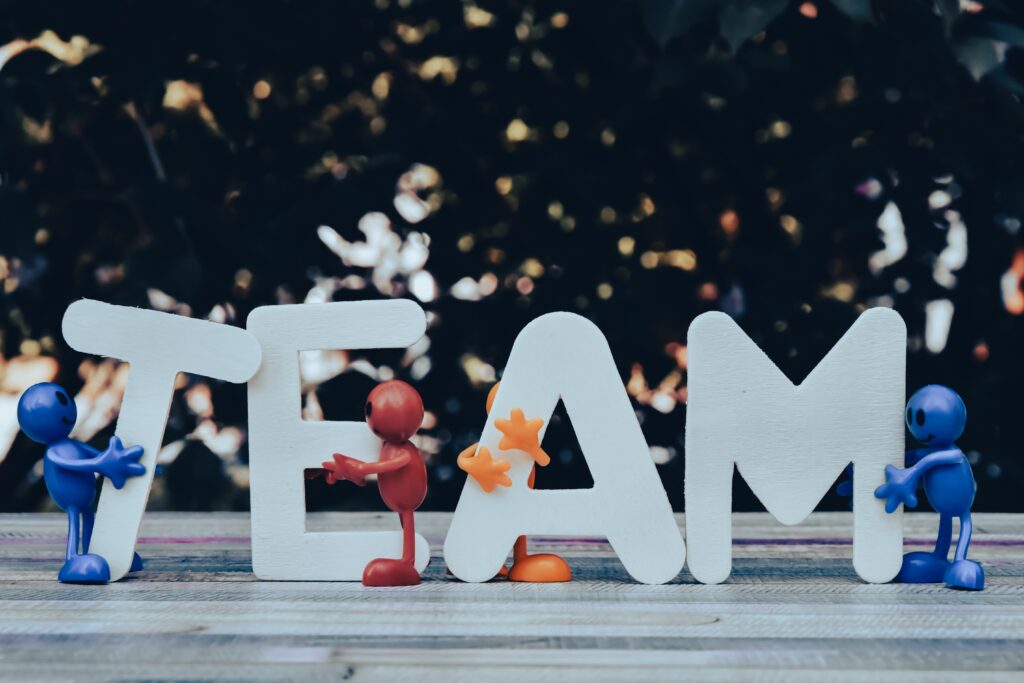
Teamwork and Team Building Activities for Workplace Cohesion
Cohesion and Team Chemistry Can Affect Performance
One of the biggest reasons team building matters is cohesion.
Cohesion means the team feels connected, aligned and able to work together toward a shared goal. It is more than being friendly. A team can have nice people and still work badly if communication is unclear, roles overlap or people do not trust each other under pressure.
A large meta-analysis on the team cohesion-performance relationship found that cohesion is an important antecedent of team performance, especially when cohesion is close to actual team tasks and behaviours.
In simple terms, the most useful cohesion is not just:
“We like each other.”
It is:
“We know how to move together.”
That is what many teams call team chemistry or working rhythm. You see it when people communicate faster, understand each other’s working style, step in without being asked and recover quickly when something goes wrong.
Active team building is useful because it makes that chemistry visible. In a shared challenge, people have to react, listen, adjust and trust each other in real time.
Teams Need Recovery, Not Just More Pressure
When August fatigue appears, many workplaces respond by pushing harder: more meetings, more follow-ups, more reminders and more pressure.
But productivity is not only about doing more. It is also about whether people have enough energy, clarity and connection to do good work.
Research on workplace recovery supports this idea. A systematic review in the Journal of Occupational Health Psychology on the role of work breaks in wellbeing and performance reviewed evidence on work breaks among knowledge workers and describes recovery as important for proper functioning. A broader review on recovery from work also discusses how recovery supports wellbeing, motivation and job performance.
For a workplace, the takeaway is simple:
Sometimes the team becomes more productive after a good reset, not after another push.
That reset does not have to be a long retreat. It can be a half-day activity that gets people out of the office, away from screens and into a shared experience.
Why August Needs a Team Reset
August is not usually dramatic, so it often gets ignored. But that is exactly why it can affect team culture.
The signs are easy to miss:
- Meeting energy drops
- People reply slower
- Creative ideas slow down
- Hybrid or cross-department teams feel distant
- Staff rewards get delayed until December
- Small issues stay unresolved
- Everyone is working, but not with much spark
Waiting until the end of year is not always the best move. By December, everyone is busy, tired and calendar-stretched.
August is better timing because it gives the team a boost before the final-quarter pressure begins. A strong team activity can help people reset energy, rebuild trust and remember what it feels like to work as a group.

Building Trust Through Teamwork and Problem-Solving
Why Active Team Building Works Better Than Another Lunch
Team lunches are familiar, but they can be passive. People sit with colleagues they already know. Quieter team members may not join much. Managers can end up talking to the same people. The event is pleasant, but it may not change team energy.
Active team building gives everyone a shared task.
That changes the social dynamic. Instead of trying to make conversation from nothing, people react to the activity. They laugh at mistakes, compare results, give instructions, support each other and build shared memories.
At Power Play Sydney’s interactive game rooms, the challenges make workplace skills visible in a natural way. In Laser Crossing, teams need to communicate quickly about the safest route and encourage each other through the course. In Point, a light-based reaction game, people make fast decisions under time pressure and learn how to stay focused when the score is moving. In Pipe Ball, groups need to coordinate, solve the task efficiently and work out who should lead, observe or change strategy.
The competitive element keeps the energy high, but the real value is how people work together between rounds. Teams practise trust, clear communication, problem-solving and resilience after mistakes, then take that stronger working rhythm back to the office. Explore team building activities in Sydney at Power Play Sydney or book your team game day online.
Why Indoor Team Building Makes Sense in Sydney
AAugust weather can be unpredictable. An outdoor team day may sound appealing, but cold mornings, rain and wind can quickly turn a simple plan into a logistical headache.
Indoor team building activities give companies more certainty. A team can lock in a time, arrive after work or during the afternoon, and know the event will run as planned regardless of the weather. They also work well for mixed departments: some people may love high-intensity sport, while others prefer light movement, problem-solving and team games. A venue with varied challenges lets everyone contribute without needing the same fitness level.
For example, a winter team event can begin with interactive games, followed by food, a short awards presentation or a casual team catch-up in a private space. That makes an indoor active venue a useful middle ground: more memorable than drinks alone, but less formal and demanding than a full off-site workshop.
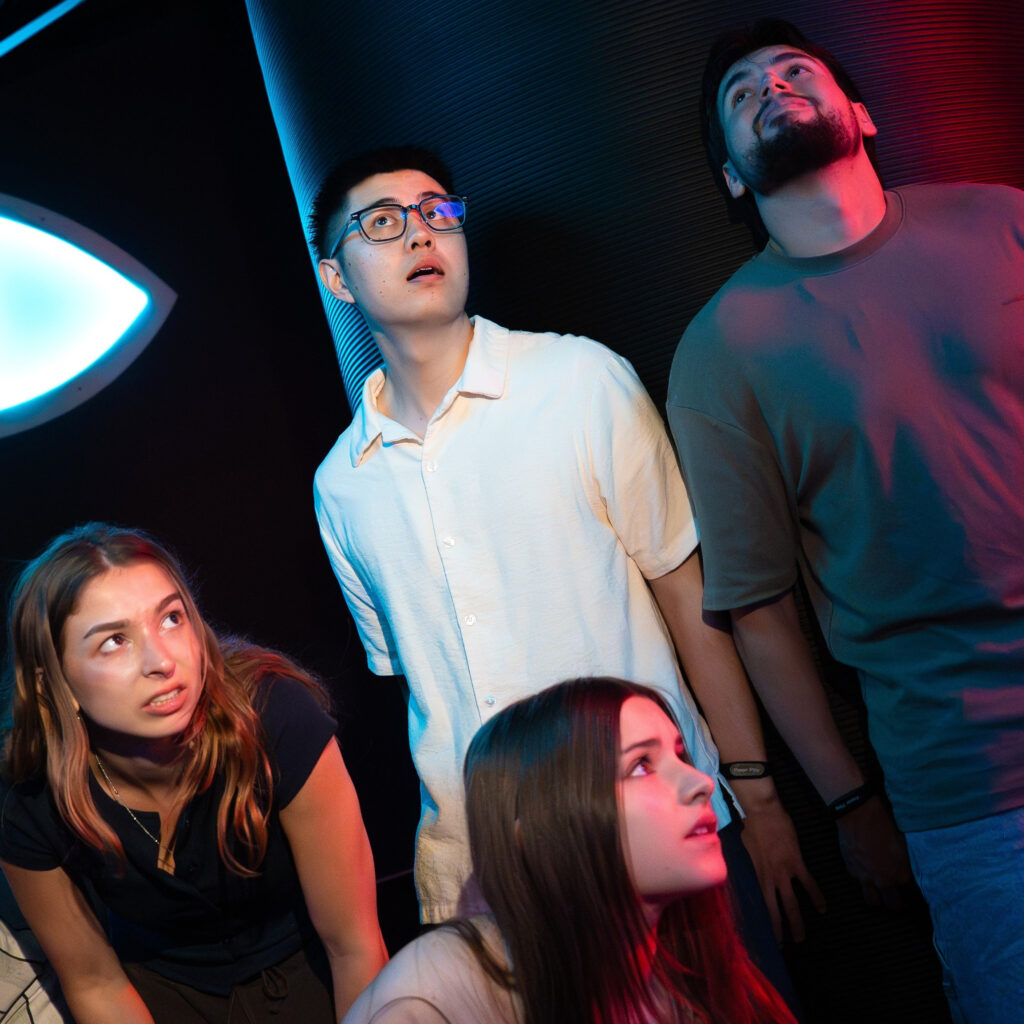
Teams Taking on the Evil Eye Challenge at Power Play Sydney
Power Play Sydney as an August Team Building Option
For companies comparing team building activities Sydney, Power Play Sydney is a strong fit because it turns team building into an active game day.
The format works because the team is not sitting through a lecture about collaboration. They are practising collaboration in real time. The experience includes themed game rooms, fast challenges and group-friendly gameplay where teams move, think, compete and communicate.
Different challenges can bring out different strengths:
- Fast reaction games reward focus and quick decision-making.
- Puzzle-style rooms encourage problem-solving.
- Physical challenges get people out of desk mode.
- Team-based rooms reward communication and coordination.
- Score-based rounds create friendly competition without making the event feel too serious.
That matters in August because the team does not need another work task. They need something that lifts energy while still building useful workplace behaviours.
The 12+ Player Benefit Makes It Easier for Work Groups
For work events, logistics matter.
Power Play Sydney’s team building article highlights a useful benefit for groups of 12+ players: 75 minutes of gameplay and 2 hours of free party room use. That makes the experience more complete than a standard short activity.
The extra room time can be used for:
- Team announcements
- Food and drinks
- Awards or recognition
- Department catch-ups
- Photos
- A short briefing or debrief
- Birthday or milestone celebrations
This makes the event easier to position as both a staff reward and a culture investment. The team gets active gameplay first, then a space to relax, talk and mark the occasion.
Plan an August Team Reset
If your team feels flat in August, do not wait until December to bring people together.
A well-timed team activity can help staff reset, reconnect and return to work with more energy. Explore team building activities Sydney at Power Play Sydney, or book online to plan a game day before the end-of-year rush begins.
Leave a Reply